
The Hidden Cost of Missed Follow-Ups in Law Firms
Jael Awuor · October 2026 · 6 min read
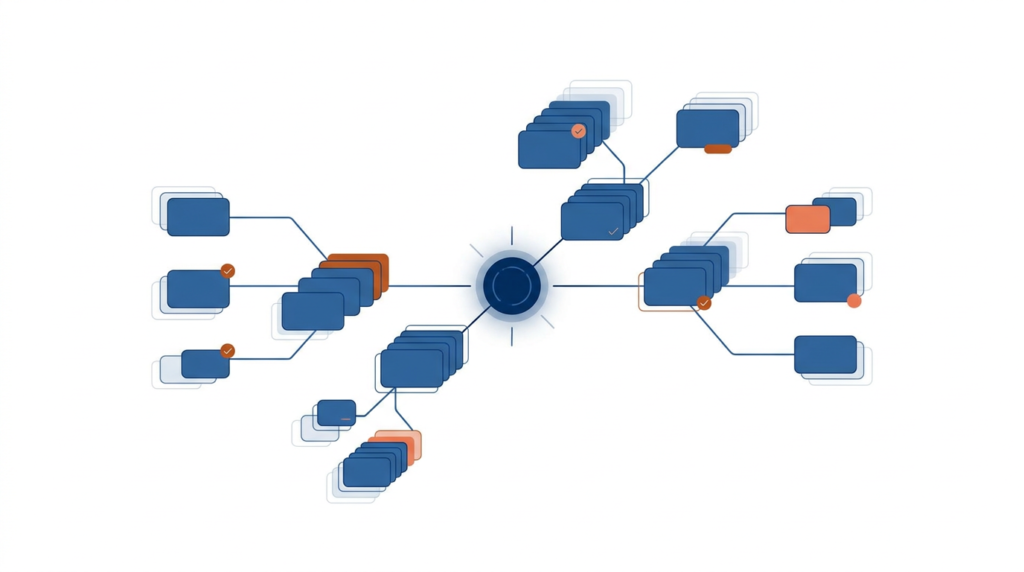
Missed follow-ups rarely cause a crisis on their own. The cost comes when several small delays overlap, and a matter quietly stops moving. A reliable follow-up process, with clear owners and check-back dates, keeps work flowing and clients informed.
Follow-up is one of the least visible parts of legal work.
When it happens consistently, nobody notices. Matters continue moving, documents arrive when expected, clients stay informed, and the next stage begins on time. It is only when follow-up is missed that its importance becomes obvious.
Where follow-ups slip
Many operational delays don’t begin because someone failed to complete a major task. They begin because a smaller task was never revisited.
- Medical records were requested, but nobody checked whether they arrived.
- A client was asked to provide documents, but no one confirmed they had done so.
- An attorney delegated work, but nobody followed up to see whether the next step had happened.
- A client was told they’d hear back soon, and no one noted when.
These moments often seem minor. Collectively, they determine whether a matter keeps moving or quietly comes to a standstill.
The real cost is the overlap
One missed follow-up rarely causes a crisis. The real cost appears when several small delays begin overlapping.
Attorneys spend time chasing information instead of making legal decisions. Staff revisit work they believed had already been completed. Clients lose confidence because communication becomes unpredictable. Deadlines start to feel urgent, not because there was too little time, but because the matter stopped moving when nobody noticed.
The problem was never the follow-up itself. The problem was the interruption of the workflow.
A simple example
A firm asks a client for a set of records on Monday. Everyone assumes the client will send them. Nobody sets a date to check. Two weeks later, the attorney needs the records for the next step and discovers they never came.
No one was careless. The request simply had no check-back date, so nothing prompted anyone to look.
Key takeaway
Follow-up isn’t about repeatedly asking people for updates. It’s about maintaining workflow continuity, so every request has an owner and a date to be revisited.
Building a follow-up process that holds
Good follow-up depends on a system, not on anyone’s memory. Here is a simple one:
- Set a check-back date when you make the request. The moment you ask for something, decide when you’ll look again.
- Name who follows up. One person, not “the team”.
- Track pending items in one list. If a request exists only in an email thread, it will be forgotten.
- Agree on a client update rhythm. Tell clients when to expect updates, then send them.
- Close the loop in the matter record. When something arrives, note it and set the next step.
Get the free Legal Matter Intake Checklist
Follow-up starts at intake. Make sure every new matter begins with a clear next step and an owner.
Follow-up holds everything together
Strong legal operations are built on consistency, and follow-up is one of the habits that quietly holds everything together. When every matter has clear ownership, visible next steps and reliable follow-through, work keeps moving with far less friction. That gives the team greater clarity and the client a better experience.
This ties back to how workflows break between stages and to the intake process where the first next step is set.
Frequently asked questions
Why do law firms miss follow-ups?
Usually because the follow-up has no owner and no date. It lives in someone’s memory, and a busy week pushes it aside.
What counts as a follow-up in a law firm?
Any step that checks whether something expected has happened: records requested, documents promised by a client, work delegated, or an update owed to a client.
How often should a firm follow up with clients?
There’s no single rule. Set a rhythm that fits the matter, tell the client when to expect to hear from you, and keep to it.
If you’d like help building a follow-up process for your firm, see my Services or book a free review.

Jael Awuor
Legal Operations Specialist. I help law firms keep matters organized and moving. Work with me
Keep reading

Why Law Firm Workflows Break Between Stages
Files stall and follow-ups slip, and the cause is rarely the task itself. A closer look at the handoffs where momentum is lost, and how to fix them.

Law Firm Client Intake: What to Capture and Why
Why the first conversation shapes everything that follows.